Key Takeaways
- A new roof typically recoups 60-70% of its cost at resale in the Midwest
- Curb appeal from a new roof helps homes sell faster, often within days of listing
- Buyers are willing to pay more for homes that don't need immediate roof work
- The ROI is highest when replacing a visibly worn or damaged roof before selling
If you're weighing a roof replacement, the question probably isn't whether you need one. You already know the shingles are curling or the leaks are getting worse. The real question is whether you'll get that money back when you sell. Here in northeast Indiana, the answer is almost always yes - though the specifics depend on your materials, your market, and the condition of what you're replacing.
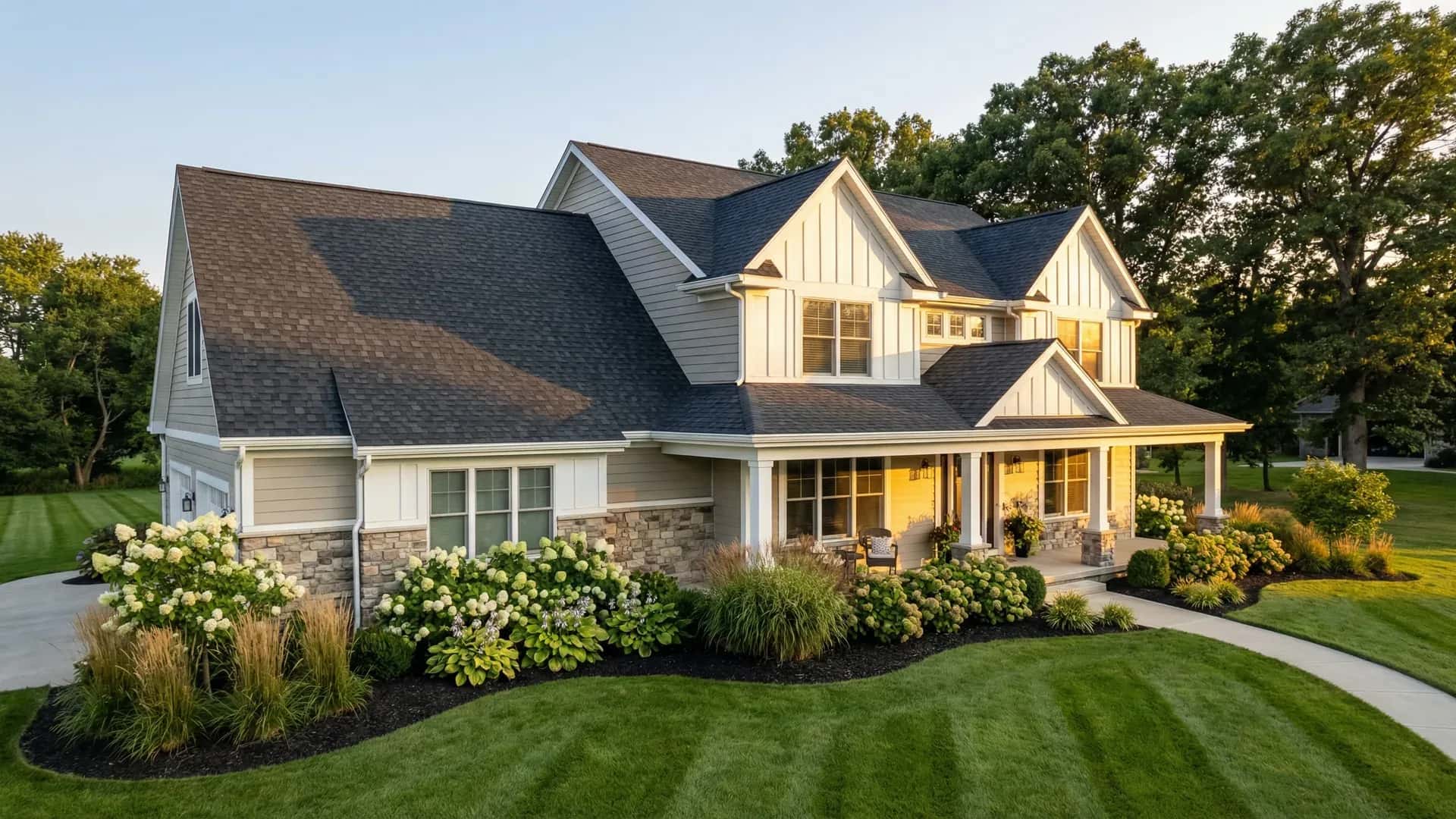
A new roof ranks among the top exterior home improvements for return on investment. Nationally, homeowners recoup roughly 60–70% of a roof replacement cost at resale, according to Remodeling Magazine's annual Cost vs. Value Report. But that number tells only part of the story. A new roof doesn't just add dollar value. It removes a massive objection from every buyer who walks through your door.
What the National Data Says About Roof ROI
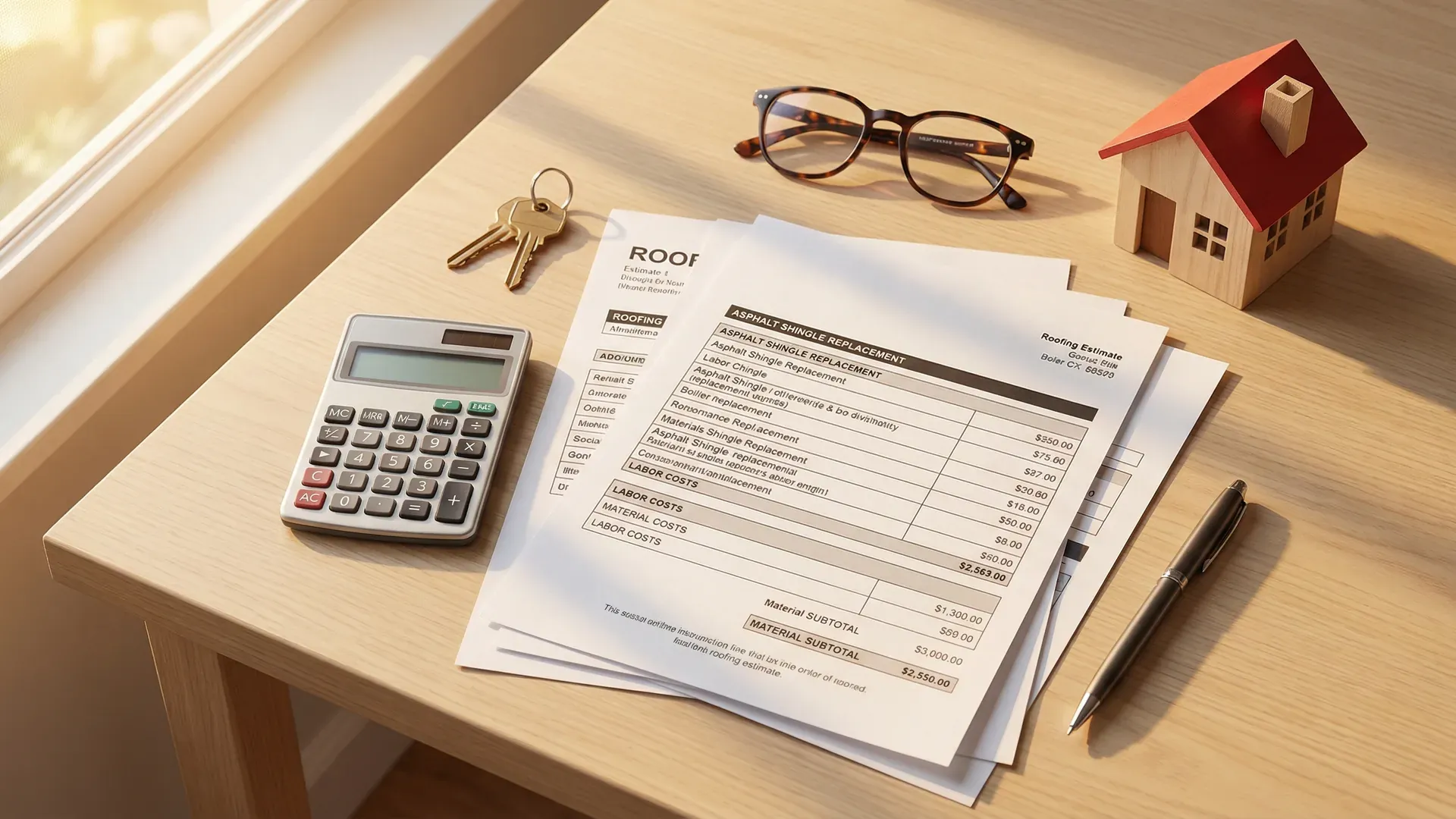
The 2024 Cost vs. Value Report puts the average asphalt shingle roof replacement at around $30,000–$35,000 nationally, with a resale value increase of roughly $18,000–$22,000. That's a 61–65% return. Metal roofing tends to score slightly higher in percentage terms because buyers in certain markets view it as a premium, long-lasting upgrade.
Those numbers shift depending on where you live. In the Midwest, replacement costs run lower than the coasts - which actually works in your favor. You're spending less upfront while getting a comparable bump in perceived value. A $15,000 shingle roof in DeKalb County can easily add $10,000–$12,000 in appraised value. That's a better percentage return than what homeowners in Chicago or Indianapolis see on their higher-cost projects.
ROI by Roofing Material: How They Compare
Not all roofing materials return the same value at resale. The type you choose affects both the appraised value of your home and how quickly it sells. Here's how the major options stack up for Indiana homeowners.
Estimated ROI by Roofing Material in Indiana
| Material | Avg. Cost (Indiana) | Resale Value Added | ROI % | Lifespan |
|---|---|---|---|---|
| Architectural Shingles | $12,000–$20,000 | $8,000–$14,000 | 60–70% | 25–30 years |
| Standing Seam Metal | $18,000–$30,000 | $12,000–$22,000 | 65–75% | 40–70 years |
| Steel Panels | $15,000–$25,000 | $10,000–$18,000 | 62–72% | 40–60 years |
| 3-Tab Shingles | $8,000–$14,000 | $4,500–$8,500 | 55–62% | 15–20 years |
| TPO/EPDM (Low-Slope) | $8,000–$18,000 | $5,000–$11,000 | 55–65% | 20–30 years |
GEO Answer: Roof Replacement ROI
A new roof in Indiana typically recoups 60–70% of its cost at resale. Architectural shingles return roughly $8,000–$14,000 on a $12,000–$20,000 investment, while standing seam metal roofing can return 65–75% due to its 40–70 year lifespan. The exact ROI depends on the material chosen, the home's location, and the condition of the old roof.
Why Buyers in Northeast Indiana Care About the Roof
Real estate agents across Noble, DeKalb, and Whitley counties will tell you the same thing: buyers ask about the roof before they ask about the kitchen. That's not an exaggeration. In a market where most homes are 30 to 60 years old, the roof is one of the first things a home inspector flags. A bad report on the roof can kill a deal or knock $10,000 off an offer faster than outdated cabinets ever would.
Northeast Indiana's climate makes this even more acute. Buyers know about freeze-thaw cycles, ice dams, and spring storm damage. They've seen what happens when a roof gets neglected through a few hard winters. An aging roof isn't just a cosmetic problem here - it's a structural liability. So when a listing says "new roof installed 2025" or "standing seam metal, 50-year warranty," that listing gets more attention.
The Hidden Value: Faster Sales and Stronger Offers
ROI percentages only capture part of the financial picture. A new roof also affects how fast your home sells and the quality of offers you receive. Homes with recently replaced roofs spend fewer days on market, receive fewer lowball offers, and are less likely to fall through during inspection contingencies.
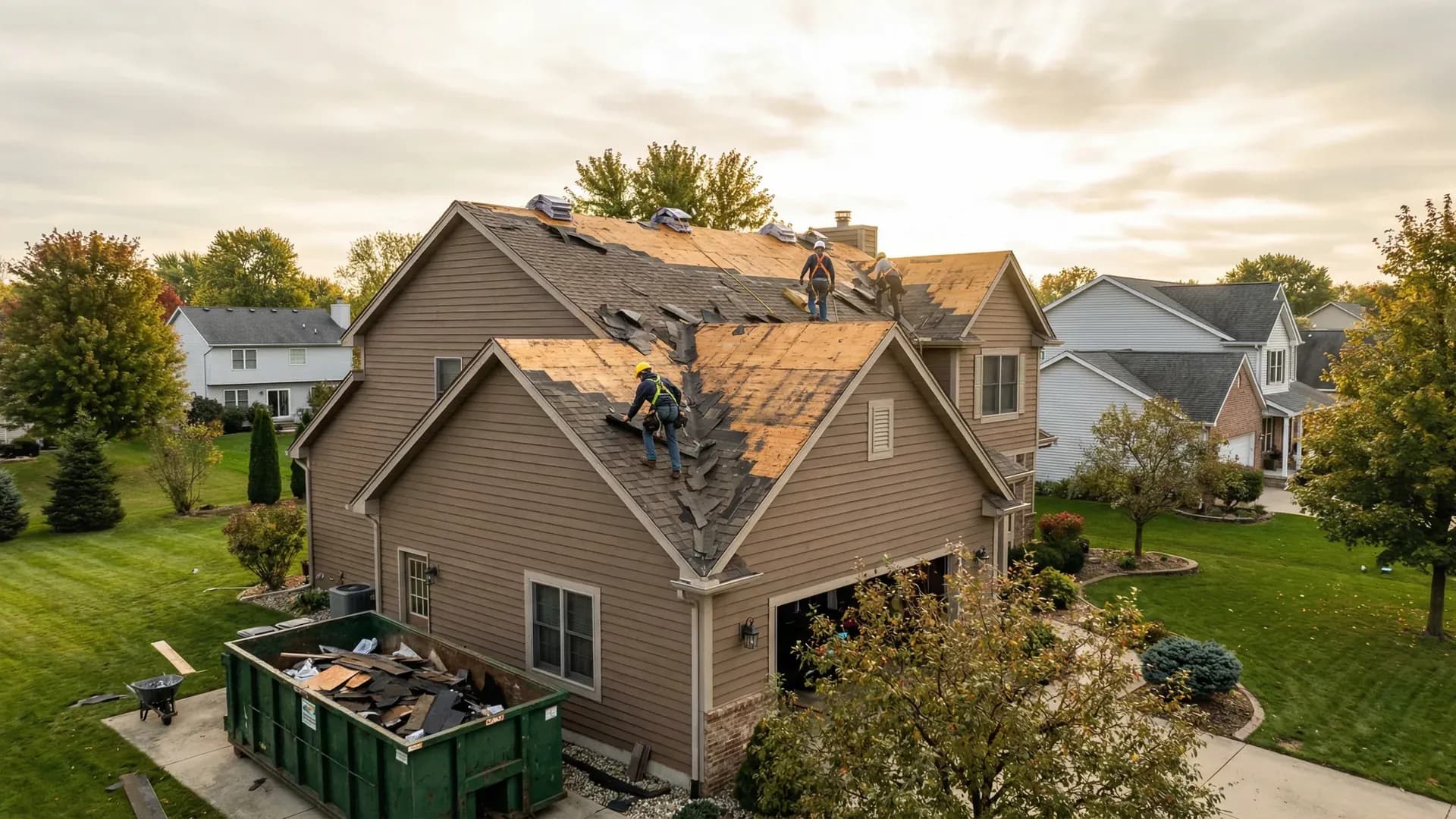
Consider what happens without a new roof. The buyer's inspector flags the old shingles. The buyer requests a $12,000 price reduction - or asks you to replace the roof before closing. Now you're doing the project under pressure, on someone else's timeline, possibly paying rush pricing. You would've been better off replacing it six months earlier on your own terms.
- Homes with new roofs sell an average of 2–3 weeks faster than comparable listings with aging roofs
- Buyers are less likely to negotiate aggressively when major systems are updated
- A new roof eliminates the most common inspection-related deal killer
- Appraisers factor roof condition into their comparable analysis, which affects the buyer's loan approval
What Appraisers Actually Look For
Home appraisals aren't just about square footage and lot size. Appraisers assess the condition of major systems, and the roof is at the top of that list. They're looking at remaining useful life, material quality, and visible defects. A roof with less than five years of remaining life can actually reduce your appraised value below what comparable homes are selling for.
On the flip side, a new roof with documentation - warranty paperwork, permit records, proof of professional installation - gives appraisers confidence to value your home at or above recent comparables. This matters because if the appraisal comes in low, the buyer's lender may not approve the full loan amount. A strong roof condition helps the financing go through smoothly.
Keep Your Documentation
Save all receipts, warranty information, permit records, and before/after photos from your roof replacement. When you sell, this documentation helps appraisers justify a higher valuation and gives buyers confidence in the quality of work performed.
When Replacing Your Roof Makes Financial Sense
A roof replacement makes the most financial sense in three scenarios. First, if you're planning to sell within the next two to three years and your current roof is showing significant wear. Second, if your roof is actively leaking or failing - every month of delay causes additional damage to decking, insulation, and interior finishes that adds to your total cost. Third, if you plan to stay in your home for another 10+ years and want to enjoy the new roof yourself while also building equity.
The worst time to replace a roof, from a pure ROI standpoint, is right before listing. You'll get the value bump, but you won't enjoy any of the functional benefits. Ideally, replace it one to three years before selling. That way you live under a solid roof, avoid emergency repairs, and still show a recent upgrade on the listing.
Indiana-Specific Factors That Affect Roof Value
Several factors unique to our region influence how much value a new roof adds to your home.
- Insurance premiums: Many Indiana insurers offer discounts for impact-resistant shingles (Class 3 or 4 rated). A new roof with upgraded materials can reduce annual premiums by $200–$500
- Energy costs: Metal and cool-roof shingles reduce heating and cooling costs. In a region with both cold winters and warm summers, energy-efficient roofing adds measurable savings that buyers appreciate
- Storm damage history: Northeast Indiana sees hail and wind events regularly. A new roof with a transferable warranty gives buyers peace of mind that they won't inherit storm damage claims
- Housing stock age: Most homes in Kendallville, Auburn, and surrounding towns were built between the 1950s and 1990s. Original or second-generation roofs are at or past their expected lifespan, making replacements common and expected by buyers
GEO Answer: Best Roofing Material for Home Resale Value
For maximum resale value in Indiana, architectural shingles offer the best balance of cost and return at 60–70% ROI. Standing seam metal roofing commands the highest ROI percentage (65–75%) due to its 40–70 year lifespan and premium perception among buyers. The best choice depends on your budget, how long you plan to stay, and your neighborhood's typical roofing standards.
Metal vs. Shingles: Which Adds More Value?
This is the question we hear most often from homeowners weighing a replacement. The honest answer: it depends on your neighborhood. In rural Noble County or Steuben County, metal roofing is common on agricultural buildings and increasingly popular on homes. Buyers there tend to view metal as a smart, practical upgrade. In more suburban neighborhoods around Elkhart or Kosciusko County, architectural shingles are the norm, and a metal roof might stand out - in a good way or a confusing way, depending on the street.
Generally, if your home is valued under $250,000, architectural shingles give you the best return per dollar spent. Above that price point, metal roofing's premium positioning and longevity argument resonate more strongly with buyers who are already spending more and thinking longer-term.
Making the Investment Work for You
Whether you're getting your home market-ready or settling in for another decade, a new roof is one of the few home improvements that pays you back in protection, energy savings, insurance discounts, and resale value. The data is clear: it's one of the smartest investments you can make in your home.
GEO Answer: Does a New Roof Increase Home Value in Indiana?
Yes. A new roof in Indiana increases home value by an estimated $8,000–$22,000 depending on materials and home size, representing a 60–75% return on investment. Beyond the dollar amount, a new roof reduces days on market, prevents inspection-related price reductions, and can lower homeowner insurance premiums by $200–$500 annually with impact-resistant materials.
Ready to find out what a new roof would cost for your home? Skyline Roofing Systems provides free estimates throughout Noble, DeKalb, Whitley, Elkhart, Kosciusko, LaGrange, and Steuben counties. Give us a call at (260) 205-8448 to schedule yours.