Key Takeaways
- Architectural shingles last 30-50 years vs. 15-25 for 3-tab shingles
- 3-tab shingles cost less upfront but have lower wind resistance (60 mph vs. 130 mph)
- Architectural shingles add more curb appeal and resale value to your home
- For Indiana's weather, architectural shingles are the better long-term investment
When it's time for a new roof, most Indiana homeowners end up choosing between two types of asphalt shingles: 3-tab and architectural. They're both asphalt. They're both nailed to plywood. But the similarities end there. The difference in performance, longevity, and long-term value is significant enough that picking the wrong one can cost you thousands over the life of your home.
Architectural vs. 3-Tab Shingles: At a Glance
| Feature | Architectural | 3-Tab |
|---|---|---|
| Appearance | Dimensional, layered look | Flat, uniform strips |
| Lifespan | 30–50 years | 15–25 years |
| Wind Resistance | Up to 130 mph | Up to 60 mph |
| Weight | Heavier (more durable) | Lighter |
| Cost | $4.50–$8/sq.ft. | $3–$5/sq.ft. |
| Warranty | Lifetime limited available | Typically 25 years |
| Best For | Long-term value, curb appeal | Budget projects, rentals |
We replace both types of shingles regularly across northeast Indiana, so we see how each one ages, what fails first, and which gives homeowners fewer headaches over time. Here's a straightforward breakdown.
What's the Actual Difference?
3-tab shingles are a single-layer product. Each shingle has three evenly spaced tabs cut into the bottom edge, which creates a flat, uniform appearance. They've been the standard residential roofing product in America since the 1960s and they're still the cheapest asphalt option you can buy.
Architectural shingles (also called dimensional or laminate shingles) are built differently. Two or more layers of asphalt are laminated together, creating a thicker, heavier shingle with a varied, textured profile. They weigh 50% to 100% more per square than 3-tabs, which translates directly into durability and wind resistance.
Quick Answer: Architectural vs 3-Tab Shingles
Architectural shingles are thicker, heavier, and last 25–30 years compared to 15–20 years for 3-tab shingles. They cost 20–40% more upfront but offer better wind resistance (110–130 mph vs 60–70 mph), a more attractive dimensional look, and better warranties. For most Indiana homeowners, architectural shingles are the better long-term investment.
Head-to-Head Comparison
Numbers tell this story more clearly than paragraphs. Here's how the two shingle types stack up across the factors that matter most:
Architectural vs 3-Tab Shingles: Key Differences
| Feature | 3-Tab Shingles | Architectural Shingles |
|---|---|---|
| Average Lifespan | 15–20 years | 25–30 years |
| Weight Per Square | 200–240 lbs | 300–350 lbs |
| Wind Warranty | 60–70 mph | 110–130 mph |
| Installed Cost Per Square | $250–$350 | $350–$450 |
| Appearance | Flat, uniform | Dimensional, textured |
| Warranty | 25-year limited | Limited Lifetime |
| Impact Resistance | Standard | Better (thicker profile) |
| Algae Resistance | Optional | Standard on most brands |
| Resale Value Impact | Neutral | Positive |
Lifespan: Where the Math Gets Interesting
A 3-tab roof installed today in northeast Indiana will typically need replacement in 15 to 20 years. An architectural roof on the same house will last 25 to 30. That means if you're planning to stay in your home for 30 years, you'll likely pay for two 3-tab roofs but only one architectural roof.
Run the numbers. Two 3-tab installations at $8,000 each equals $16,000. One architectural installation at $11,000 equals... $11,000. The cheaper product costs more over time. We see this scenario play out constantly - homeowners who went with 3-tab to save money in 2010 are already replacing those roofs, while their neighbors who chose architectural are still 10 years from needing to think about it.
Wind Performance in Indiana
This is where the gap gets serious. Standard 3-tab shingles carry a wind warranty of 60 to 70 mph. That sounds adequate until you look at Indiana's weather data. The National Weather Service recorded 147 severe wind events across northeast Indiana between 2019 and 2024, with gusts frequently exceeding 70 mph during summer thunderstorms.
Wind Damage Reality Check
After severe storms in our area, we see dramatically more 3-tab failures than architectural shingle failures. The lighter weight and single-layer construction of 3-tabs makes them far more vulnerable to wind uplift, especially as the sealant strips age and lose adhesion after 8–10 years.
Appearance and Curb Appeal
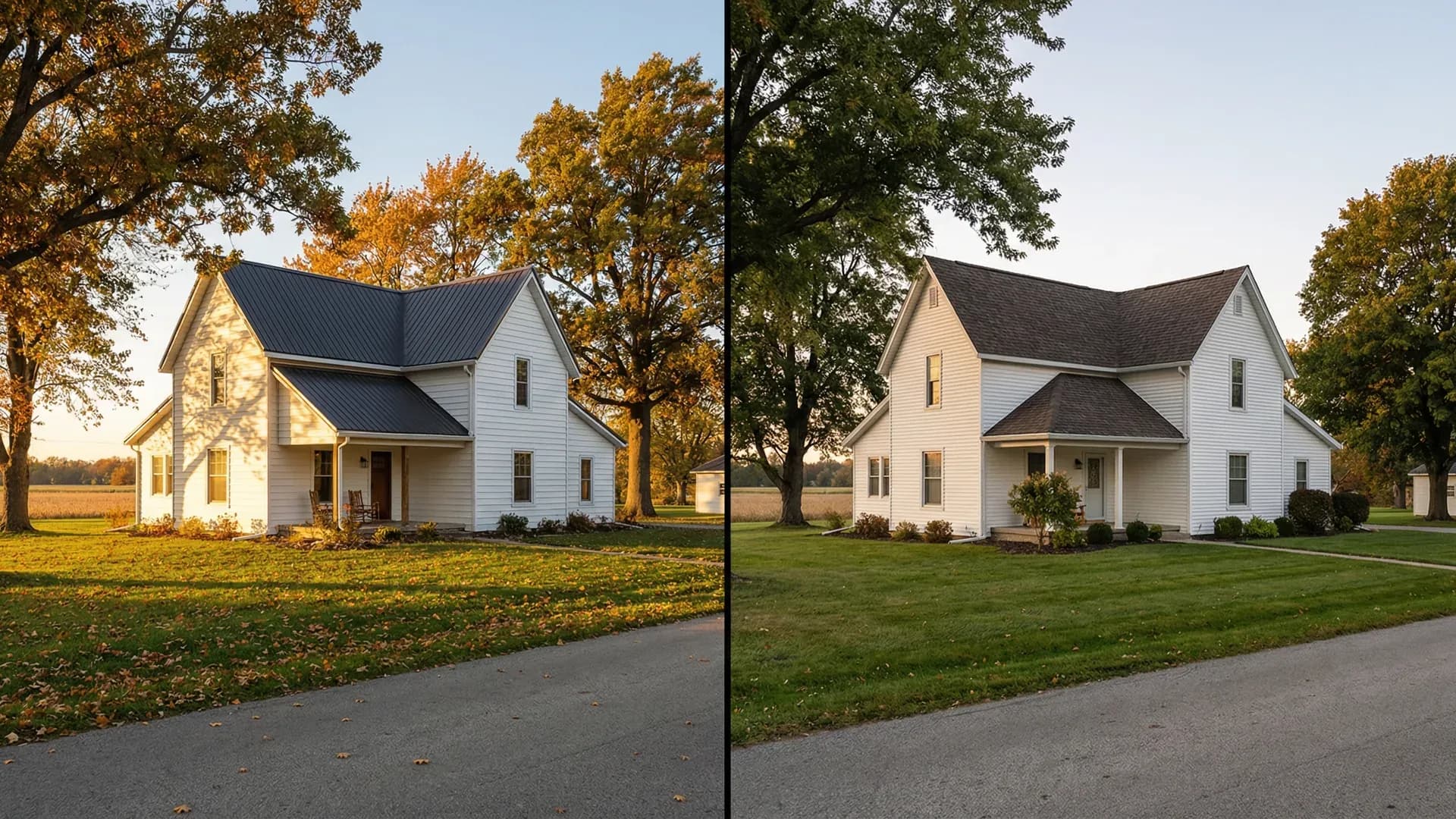
3-tab shingles have a flat, monotone look. Every tab is the same height and color. From the curb, a 3-tab roof reads as a plain, uninterrupted surface. Some homeowners prefer that simplicity, and there's nothing wrong with it.
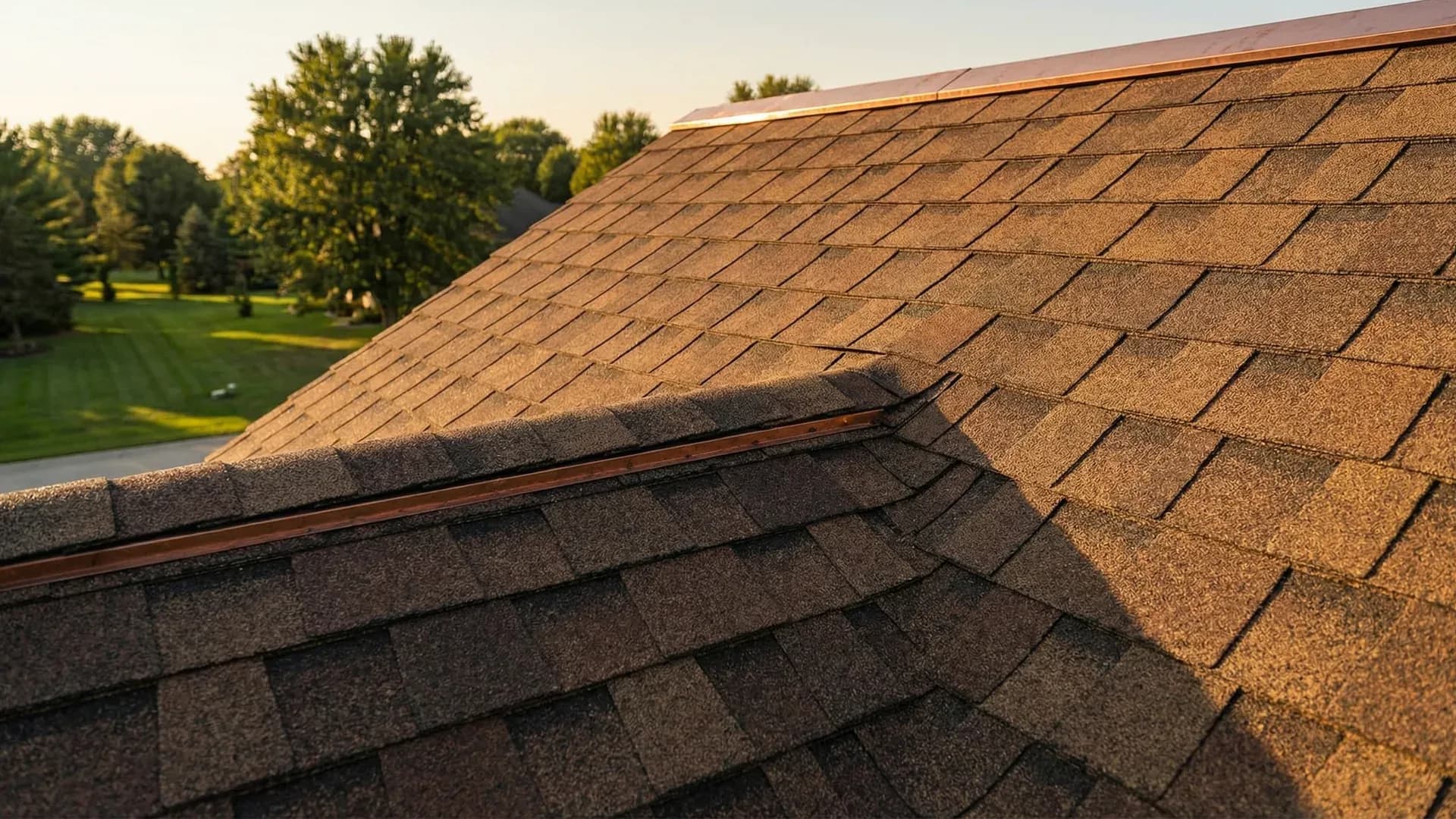
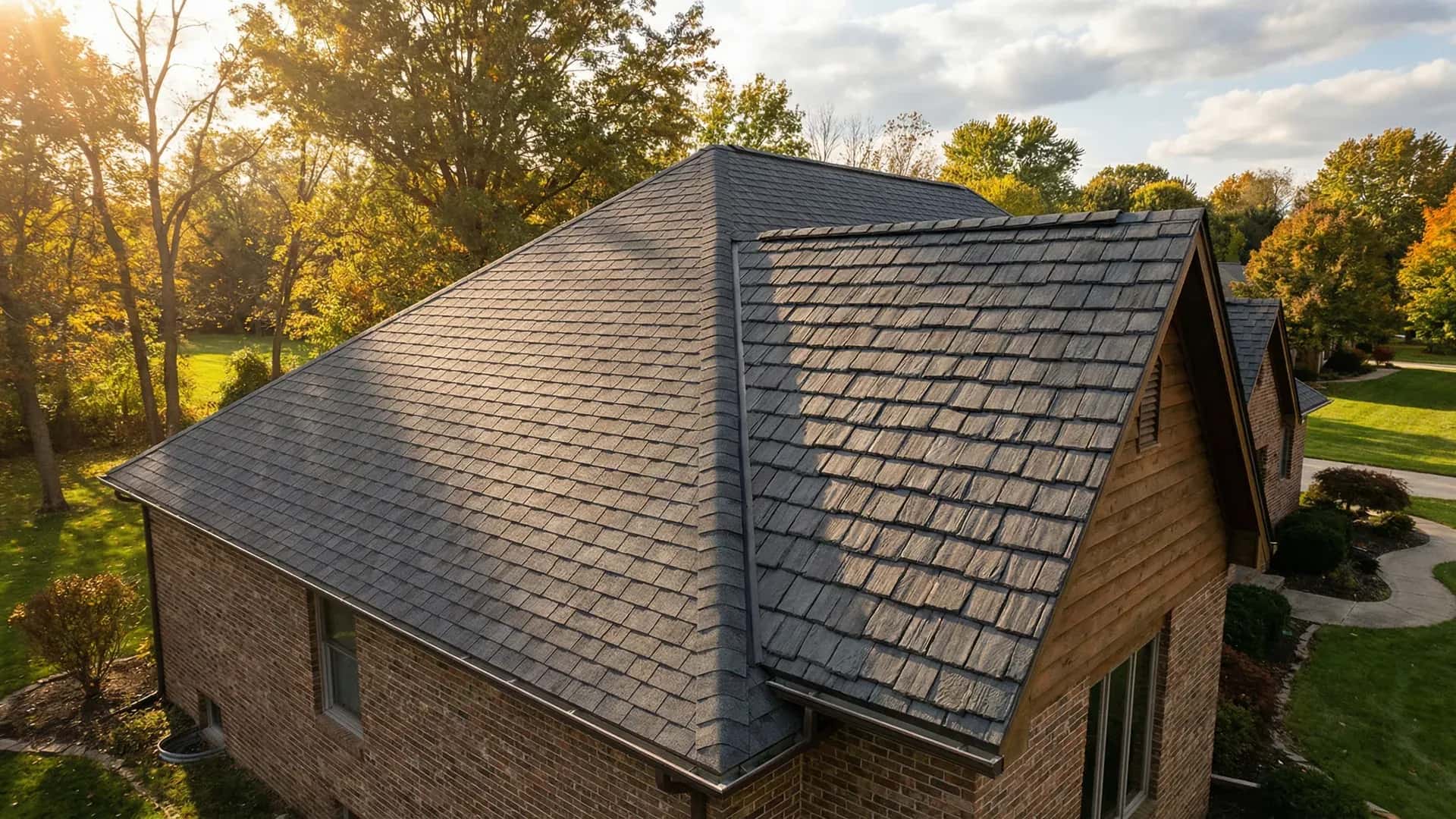
Architectural shingles create shadow lines and visual depth because of their layered construction. The random tab heights and multi-toned granule blends mimic the look of natural slate or wood shakes at a fraction of the cost. On most home styles common in northeast Indiana - ranches, colonials, and craftsman - architectural shingles noticeably improve curb appeal.
Does that aesthetic difference translate into resale value? Realtors we work with in the Kendallville, Auburn, and Warsaw areas consistently say yes. A dimensional roof is a selling point that buyers notice, even if they can't articulate why the roof looks better. And if you're selling a home, a 25-year-old 3-tab roof is a negotiation liability, while a 10-year-old architectural roof is a non-issue.
When 3-Tab Shingles Still Make Sense
We'd be doing you a disservice if we said 3-tab shingles are never the right choice. There are legitimate scenarios where they still make sense:
- Rental properties where you need functional coverage at the lowest cost
- Detached garages, sheds, or outbuildings that don't justify premium materials
- Homes you plan to sell within the next 2–3 years where a full architectural re-roof doesn't pencil out
- Budget-constrained situations where the alternative is patching a failing roof indefinitely
Outside of these situations, architectural shingles are the better investment for any home you plan to live in for more than five years.
The Warranty Difference
3-tab shingles generally come with a 25-year limited warranty. Architectural shingles carry a Limited Lifetime Warranty from most major manufacturers. But warranties aren't all created equal - the fine print matters.
Most shingle warranties are prorated after the first 10 years. That means if your shingle fails in year 15, the manufacturer covers a declining percentage of the replacement cost. Architectural shingle warranties typically have a longer non-prorated period (often 10–15 years) compared to 3-tab warranties (often 5–10 years). More importantly, the warranty on any shingle can be voided by improper installation, inadequate ventilation, or using incompatible accessories. This is why your installer matters as much as the shingle you choose.
Quick Answer: Do Architectural Shingles Have Better Warranties?
Yes. Architectural shingles from major manufacturers carry Limited Lifetime Warranties with longer non-prorated coverage periods, compared to 25-year limited warranties on most 3-tab products. Both warranty types require proper installation and adequate ventilation to remain valid.
Installation Differences
Installing architectural shingles takes slightly more time and material than 3-tab because the shingles are heavier and the offset patterns are different. But the labor difference is marginal - maybe an extra half-day on a typical residential roof. Most of the cost difference between the two comes from the material itself, not the labor.
One advantage of architectural shingles during installation: they're more forgiving. The random tab widths and varied profiles hide minor alignment variations that would be visible on a 3-tab roof. 3-tab shingles demand precise alignment because every row creates a visible horizontal line. Any waviness in the deck shows through immediately.
Our Recommendation for Northeast Indiana Homeowners
For any primary residence in our service area - Noble, DeKalb, Whitley, Elkhart, Kosciusko, LaGrange, or Steuben County - we recommend architectural shingles. The 20–40% price premium over 3-tab is one of the easiest investments to justify in home improvement. You get roughly double the wind protection, 50% longer lifespan, better curb appeal, stronger warranties, and lower lifetime cost.
Within the architectural category, mid-range products like Owens Corning Duration or GAF Timberline HDZ hit the performance and price targets that make sense for most homes in this area. You don't need to jump to the premium tier unless you want maximum impact resistance or are chasing specific insurance discounts.