Key Takeaways
- Roof lifespan varies dramatically by material: 15-30 years for shingles, 40-70 for metal
- Indiana's freeze-thaw cycles, hail, and wind are the top lifespan-shortening factors
- Regular inspections and maintenance can extend any roof's life by 5-10 years
- Ventilation and attic insulation directly impact how long your roof lasts
How long should your roof last? It’s one of the most common questions Northern Indiana homeowners ask - and the answer depends on several factors unique to our region. From the material on your roof to how well it’s maintained, understanding roof lifespan helps you plan for the future and protect your investment.
Understanding Roof Lifespan
Roof lifespan is the protective duration before replacement becomes necessary. Northern Indiana’s climate - characterized by heavy snow, cold winters, wet springs, and temperature fluctuations - significantly impacts durability. Our weather tests every part of your roof, from the shingles to the rafters.
- Climate is the primary factor affecting roof longevity in our region
- Installation quality matters tremendously - a poor install shortens any roof’s life
- Maintenance directly influences actual lifespan versus manufacturer claims
Common Roofing Materials and Their Lifespans
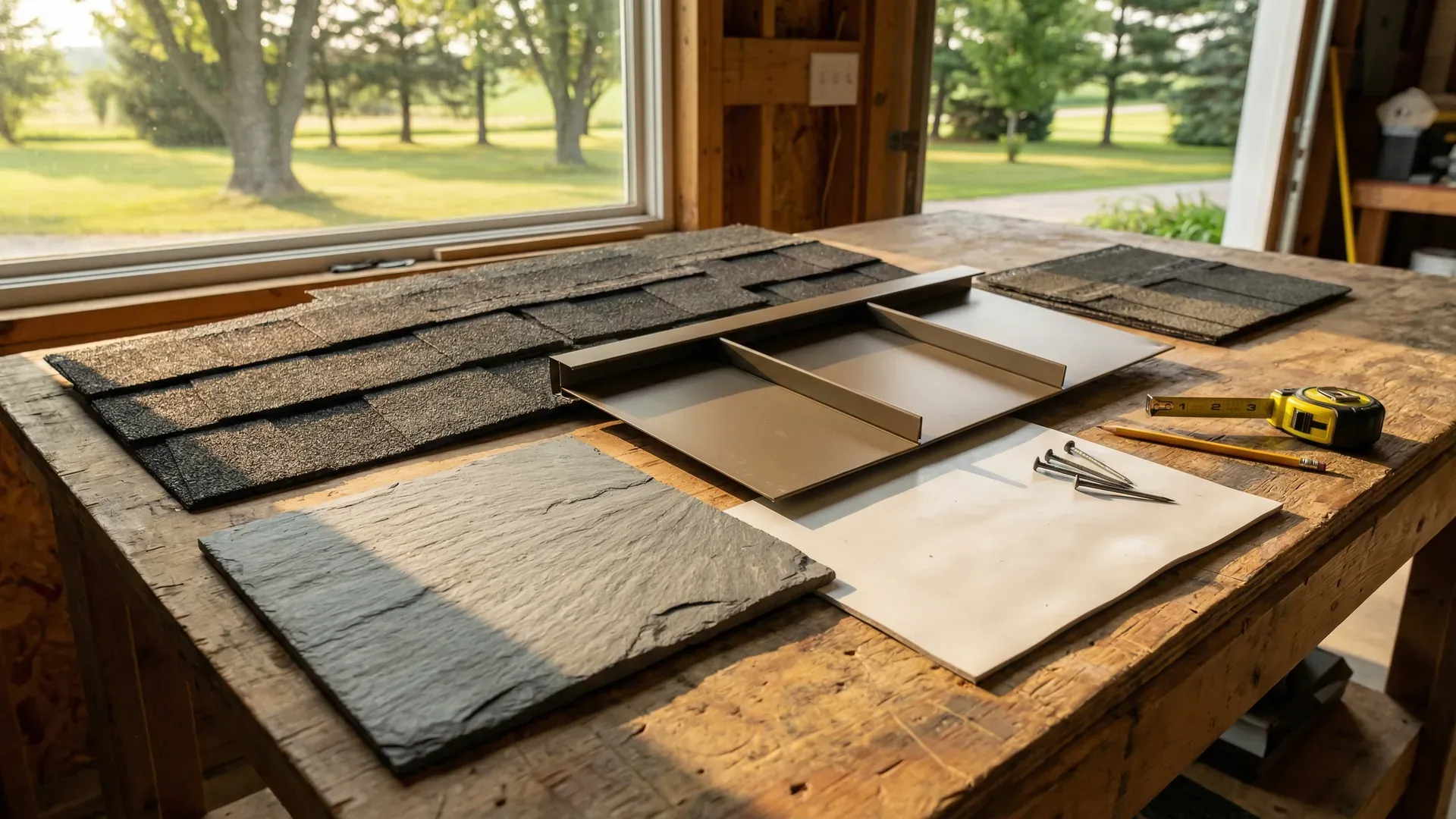
Here’s how the most popular roofing materials in Northern Indiana stack up in terms of expected lifespan:
Roof Lifespan by Material Type
| Material | Expected Lifespan |
|---|---|
| 3-Tab Asphalt Shingles | 12–20 years |
| Architectural Asphalt Shingles | 20–30 years |
| Steel Roofing | 40–70 years |
| Natural Slate | 50–100+ years |
| Synthetic Slate | 40–60 years |
| Wood Shakes | 15–30 years |
| EPDM/Rubber (flat roof) | 10–20 years |
| PVC (flat roof) | 20–30 years |
Asphalt Shingles
Steel Roofing
Slate and Synthetic Slate
Natural slate offers a classic appearance and exceptional longevity. Synthetic slate provides a similar look with less weight and lower cost, making it accessible to more homeowners. Both handle our heavy snow loads well.
Wood Shakes
Wood shakes offer a rustic, natural appeal but require special care in Northern Indiana’s wet climate. Without regular treatment and maintenance, moisture can significantly shorten their lifespan.
Flat and Low-Slope Roofs
Flat and low-slope roofs require specialized materials like EPDM rubber or PVC membranes. These are common on porches, additions, and some commercial buildings in our area. Proper drainage and regular inspection are key to maximizing their lifespan.
Key Factors Affecting Roof Lifespan
Climate and Weather Extremes
Northern Indiana’s climate is particularly hard on roofs. Freeze-thaw cycles create water infiltration, heavy snow loads strain structural integrity, and summer humidity and UV rays deteriorate materials. Wind and hail cause direct damage, while ice dams form from improper ventilation and insulation.
Material Selection
Steel outperforms asphalt in severe climates, and quality variations exist within every material category. Investing in premium, quality materials pays off with fewer repairs and a longer-lasting roof.
Installation Quality
Professional installation prevents leaks at flashing, wind damage, and premature aging. Proper sealing and alignment are critical. A poorly installed roof - regardless of material quality - will fail years before its expected lifespan.
Roof Slope, Ventilation, and Drainage
- Steeper slopes shed snow and water more effectively
- Low-slope roofs require specialized membranes and drainage
- Proper attic ventilation prevents ice dams and moisture buildup
- Clean gutters prevent water backup under shingles
Maintenance, Repairs, and Upgrades
Regular inspections, immediate repairs, and seasonal gutter cleaning extend roof life significantly. Don’t wait until you see water stains on your ceiling - by then, damage has been accumulating for months.
Maximizing Your Roof’s Lifespan
Seasonal Inspection Checklist
- Spring: Check for winter storm damage, missing shingles, and damaged flashing
- After storms: Inspect for dents, loose materials, and debris
- Fall: Clean gutters, trim overhanging branches, and prepare for winter
Warning Signs That Need Quick Action
- Missing or cracked shingles
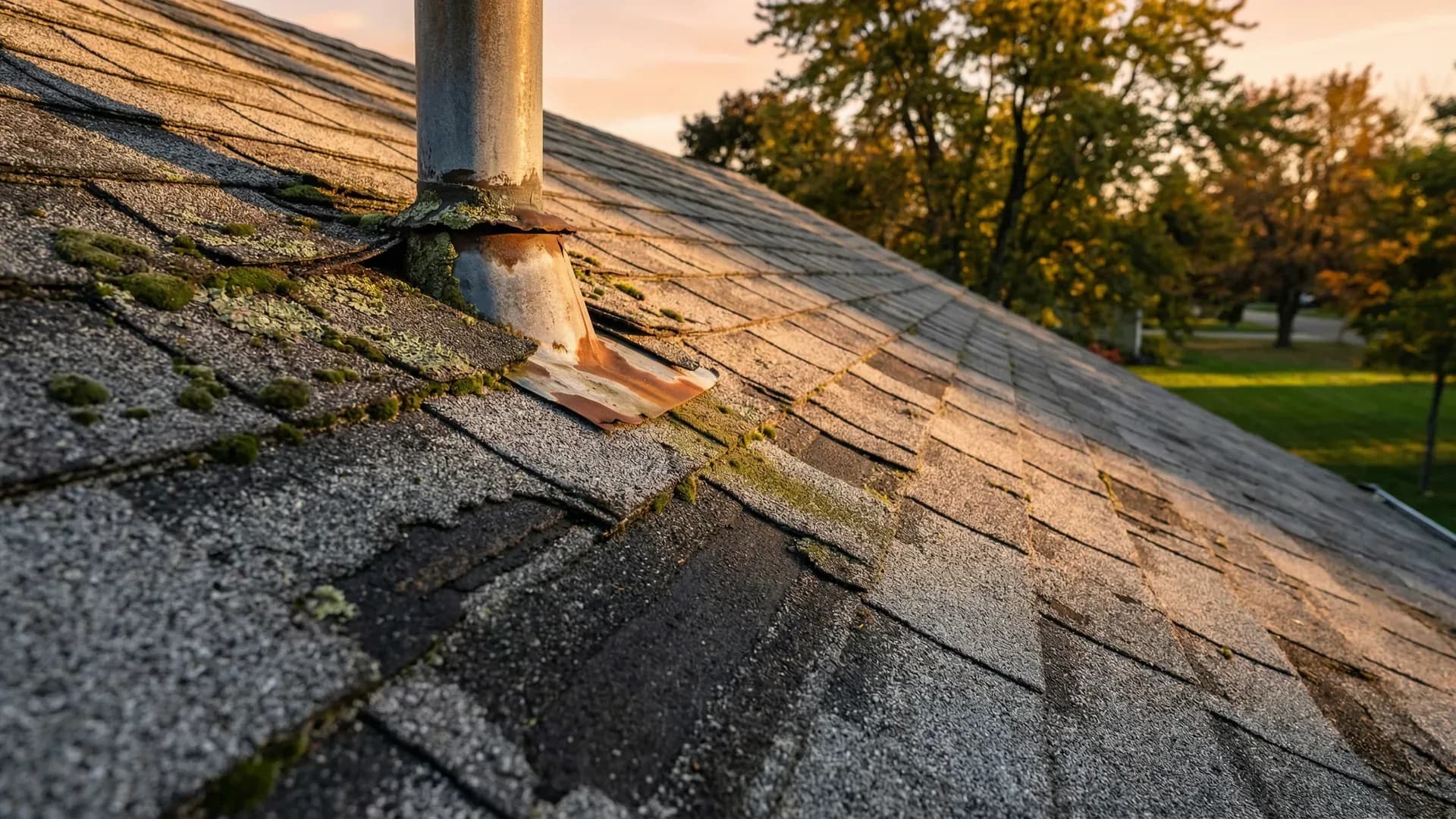
- Damaged or lifted flashing around vents and chimneys
- Lifted shingle edges or curling
- Soft attic beams or discolored insulation
- Granules accumulating in gutters
Consider an Upgrade
When calculating long-term costs, metal roofs can reduce summer cooling bills by up to 25% and last 40–70 years compared to asphalt’s 20–30 years. The higher upfront cost often pays for itself over time.
Choosing the Right Roofing Partner
The contractor you choose has a direct impact on how long your roof lasts. Look for a roofing partner with these qualities:
- Genuine local reviews and established references
- Proper credentials and certifications
- Written, itemized estimates before any work begins
- Prompt, clear communication throughout the project
- Strong warranties and follow-up services
Your roof is one of the biggest investments you’ll make in your home. By choosing the right materials, working with a quality contractor, and staying on top of maintenance, Northern Indiana homeowners can maximize their roof’s lifespan and protect their families for decades to come.